Conserving Nature and Combating Cancer: A Harmonious Approach to Health and Wildlife Preservation
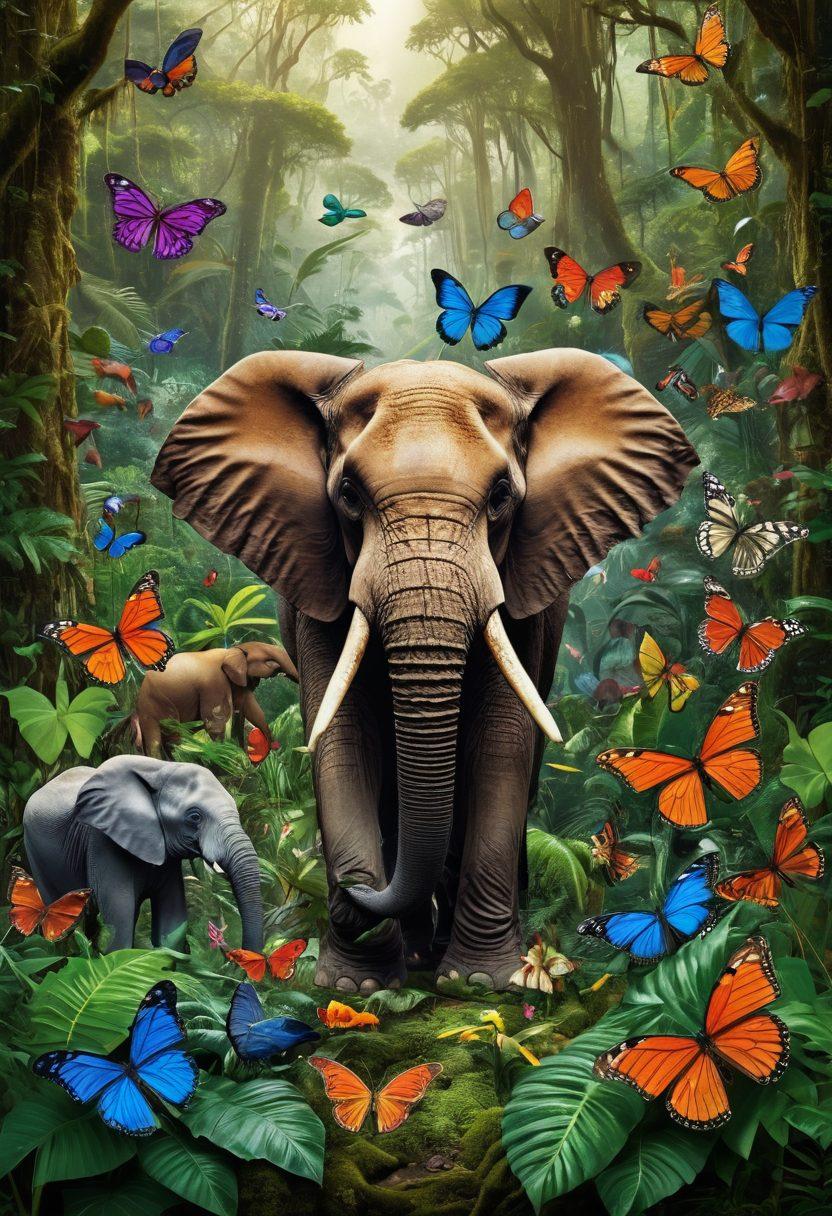
In a world where the threads connecting our health and the environment are increasingly coming into focus, the concept of uniting health and ecology is not just revolutionary—it’s essential. Imagine walking through a lush forest, breathing in the crisp air, and feeling invigorated by the vibrant life surrounding you. Now, consider the many small acts we can take to preserve that beauty while safeguarding our own well-being against threats like cancer. The intersection of oncology and environmental conservation reveals a roadmap not just for healing our bodies but also for nurturing our planet.
Ever thought about how your lifestyle choices impact both your health and the environment? With cancer rates climbing globally, it’s imperative to adopt cancer prevention strategies that align with our commitment to wildlife protection. Engaging in sustainable practices, such as consuming locally sourced foods or reducing plastic use, can drastically lower our risk of malignant tumors while simultaneously contributing to habitat preservation. What can you implement in your daily routine to become a part of the solution—both for your health and for the endangered wildlife struggling to thrive in their diminishing habitats?
The stories of wildlife convey resilience and adaptation in the face of ecological issues. Sadly, many of these species are under threat due to habitat destruction, climate change, and pollution—the very same factors that also affect human health. As we raise cancer awareness, let’s not forget the critical role that biodiversity preservation plays. Protecting species conservation not only maintains the balance of our ecosystems but also ensures that we have access to the natural remedies often rooted in biodiversity. How might our health be intertwined with the survival of the species around us?
As the scientific community delves deeper into research articles exploring the links between environmental toxins and cancers like carcinoma, we must champion health education that enlightens individuals on preventive measures. By advocating for wildlife conservation, we galvanize our communities toward a collective goal: safeguarding the planet while enhancing our own health. Can you envision a future where cancer support groups double as environmental teams, cultivating both personal wellness and ecological responsibility?
Choosing to champion environmental conservation is not merely an act of kindness to the planet; it’s an investment in our health. The choices we make influence not only our well-being but also the future of threatened species reliant on a balanced ecosystem. By actively participating in conservation efforts and raising awareness about cancer prevention, we can contribute to a healthier earth and a healthier self. Will you take the leap to explore sustainable practices that can protect both your life and the lives of endangered wildlife?
The Impact of Biodiversity on Cancer Research: Protecting Wildlife for a Healthier Future
In a world where the complexities of human health collide with the wonders of nature, we often overlook a crucial connection: the intricate relationship between biodiversity and cancer research. As we delve into the impact of biodiversity on cancer, it becomes increasingly evident that protecting wildlife is not just a choice but a necessity for a healthier future. Did you know that some of the most promising breakthroughs in oncology have originated from the natural world? This intertwining of wildlife preservation and cancer prevention opens up a fascinating dialogue that deserves our attention.
Imagine walking through a vibrant rainforest, where each plant, insect, and animal plays a unique role in the ecosystem. Now consider this: many of the compounds used to treat tumors, including those affecting malignant carcinomas, have been derived from plants and animals. Every time we lose a species to extinction, we might also lose a potential cancer-fighting hero. As the saying goes, 'In every drop of water, there is a story of life.'Similarly, in every endangered species, there could be a story of potential health breakthroughs. Could it be that our quest for cures is intrinsically tied to our efforts in wildlife protection?
The harsh reality is that countless species are on the brink of extinction due to habitat destruction and environmental change. As a society, we face a dual challenge: advocating for cancer awareness while simultaneously fighting to preserve our planet's biodiversity. Conservation efforts aimed at protecting threatened species are not only crucial for maintaining ecological balance but also for sustaining the resources necessary for health education and cancer research. Do we not owe it to future generations to ensure a rich tapestry of life continues to thrive on this planet?
Engaging in conservation practices can take many forms, from supporting local wildlife organizations to participating in restoration projects that preserve habitats. These sustainable practices not only improve the natural environment but also contribute to scientific discoveries that can enhance cancer prevention and treatment approaches. If every individual committed to small acts of nature conservation, we could create significant ripples of change. What if the next groundbreaking research article in oncology originates from a plant that thrives in a well-preserved habitat because we chose to protect it?
By recognizing the deep-seated connections between health, ecological issues, and species conservation, we can foster a united front for these intertwined causes. As the cancer community rallies around cancer support initiatives, let’s also shine a light on the importance of biodiversity preservation. Together, we can inspire a movement that embraces both health and ecological well-being, ensuring a future where wildlife flourishes and healthy lives abound. Will you be a part of this transformative journey, linking conservation and health in meaningful ways?
Health and Nature Intertwined: Understanding the Role of Wildlife Conservation in Cancer Awareness
In a world where health and environment often seem to be at odds, an inspiring narrative emerges—one where wildlife conservation intertwines seamlessly with cancer awareness. How could the conservation of nature play a crucial role in our understanding of oncology? Picture this: as we engage in habitat preservation and species conservation efforts, we not only protect endangered wildlife but also open doors to groundbreaking research that may illuminate new pathways to understanding malignancies like carcinoma. In this blog, we delve into the fascinating intersection of health and nature, exploring how our collective efforts to safeguard the planet can lead to significant advancements in cancer research and awareness.
Have you ever stopped to think about how the various flora and fauna around us hold secrets to medical breakthroughs? From the depths of the rainforest to the expanses of the savannah, nature is a treasure trove of biological diversity. Every species plays a role within their ecosystem, and through biodiversity preservation, we can uncover new treatments for diseases, including cancer. Certain plants have exhibited properties that combat tumor growth, while countless animals have contributed to the field of health education. As we champion wildlife protection, we may be unknowingly supporting cancer prevention initiatives and contributing to the larger conversation of cancer support within society. It's a beautiful reminder of how closely intertwined our fates are—humans and nature alike, existing in a delicate balance.
While many people have their eyes set on the latest research articles focusing solely on oncology, we must not overlook ecological issues that directly affect our health. The rise in cancer rates has drawn attention to environmental factors, leading researchers to investigate the impact of pollution, climate change, and loss of habitat on the prevalence of diseases like malignant tumors. When we think about sustainable practices and environmental conservation, consider how cleaner habitats can lead to healthier wildlife, which, in turn, can result in healthier humans. In many ways, protecting the environment may act as a supportive framework for enhancing our understanding of cancer risk factors and prevention strategies. Isn't it time we realized that our health is inextricably linked to the health of the Earth?
Startling statistics reveal that while cancer continues to be a widespread issue, the importance of intertwining our fight against this disease with conservation efforts is often overlooked. Think about it: every time a species is driven to extinction, we lose potential insights into combating illnesses. We need to rally together and advocate for recognized cancer awareness that extends beyond human beings. The health blog sphere must prioritize topics that connect the dots between environmental well-being and our own health outcomes, pushing the narrative forward. Perhaps it’s time to ask ourselves—how can we contribute to both cancer support and nature conservation among our communities? Educating ourselves about threatened species and the ecosystems they inhabit can be a stepping stone towards comprehensive health education that resonates with everyone.
At the end of the day, the fight against cancer is not one we can win in isolation. The call to action for individuals, researchers, and communities alike is clear: embrace wildlife protection as part of the larger strategy for cancer awareness. Imagine a world where commitment to conservation translates to healthier habitats, a reduction in cancer risks, and novel treatment discoveries. By intertwining health and nature, we arm ourselves with the knowledge and tools needed to tackle some of the most pressing challenges of our time. What are we waiting for? Together, we can champion a cause that encompasses the well-being of our planet and the hearts of those impacted by cancer. Let's act for both ourselves and the future generations who will inherit this beautiful planet.